Introduction
Aging is a natural process, but Ayurveda teaches that it can be slowed, supported, and managed gracefully through the right lifestyle, diet, and herbs. Instead of focusing only on external appearance, Ayurveda views aging as a gradual decline in vitality, immunity, digestion, and tissue strength. By nourishing the body at a deeper level, it is possible to maintain youthful energy, glowing skin, and mental clarity for longer.
In Ayurvedic science, anti-aging is closely connected to Rasayana therapy, a branch of rejuvenation that promotes longevity, cellular repair, and overall vitality. Certain herbs known as Rasayana herbs are especially valued for their ability to strengthen immunity (Ojas), balance doshas, improve digestion (Agni), and protect the body from stress and oxidative damage.
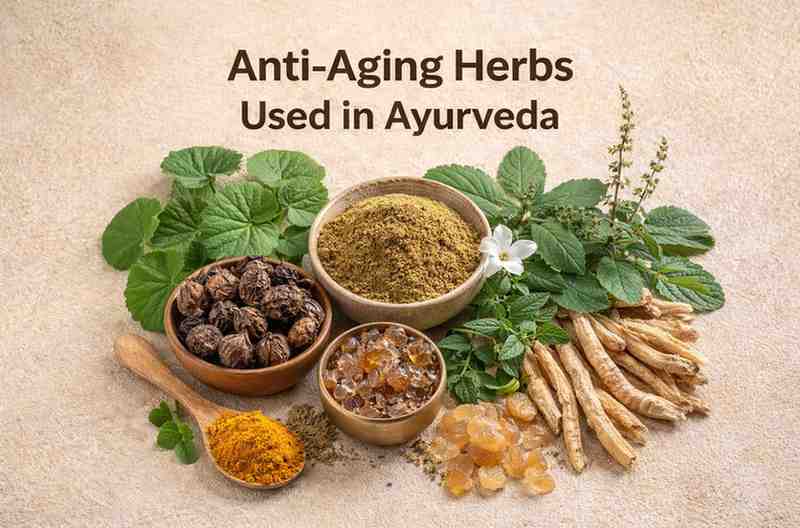
This guide explores the most powerful anti-aging herbs used in Ayurveda, including their benefits, traditional uses, and how they support natural rejuvenation. Whether your goal is healthier skin, stronger immunity, improved energy, or graceful aging, these time-tested herbs offer a holistic and sustainable path to long-term wellness.
Understanding Aging in Ayurveda – The Science Behind Natural Rejuvenation
Aging is a natural biological process; however, Ayurveda views aging far differently than modern cosmetic science. Instead of treating wrinkles, fine lines, and fatigue as surface-level problems, Ayurveda identifies aging as a deeper imbalance in the body’s internal systems. Therefore, if you truly want to slow aging, you must first understand its root cause according to Ayurvedic wisdom.
Ayurveda explains aging through the concept of Tridosha — Vata, Pitta, and Kapha. As you grow older, Vata dosha naturally increases. Consequently, dryness, wrinkles, joint stiffness, anxiety, and reduced strength begin to appear. However, Ayurveda does not consider these changes irreversible. Instead, it offers powerful anti-aging herbs known as Rasayana herbs, which restore vitality, nourish tissues, and promote longevity.
Furthermore, Ayurveda focuses on Ojas, the vital life essence that governs immunity, glow, and stamina. When Ojas remains strong, the body resists premature aging. On the other hand, stress, poor diet, pollution, and lack of sleep weaken Ojas rapidly. As a result, you experience early aging signs such as dull skin, hair fall, fatigue, and low immunity.
Unlike chemical anti-aging creams that only mask symptoms, Ayurvedic anti-aging herbs work at the cellular level. They detoxify the body, balance hormones, strengthen tissues, and enhance digestion. Therefore, they support both inner and outer rejuvenation.
Moreover, Ayurveda emphasizes prevention rather than correction. While modern treatments react after aging appears, Ayurvedic herbs help prevent cellular damage beforehand. This preventive approach makes Ayurveda a long-term solution for healthy aging.

In addition, Ayurvedic anti-aging treatments improve:
- Skin elasticity
- Collagen production
- Hair strength
- Memory and cognitive clarity
- Energy levels
- Immunity
Therefore, anti-aging in Ayurveda does not mean looking younger alone; it means staying energetic, sharp, and disease-free.
In the following sections, you will discover powerful Ayurvedic anti-aging herbs that have supported youthfulness for thousands of years.
Also read- Ayurvedic Weight Loss Plan for Beginners
Ashwagandha – The Ultimate Anti-Aging Adaptogen
When discussing anti-aging herbs in Ayurveda, Ashwagandha always takes center stage. Scientifically known as Withania somnifera, this powerful adaptogenic herb strengthens the body’s resistance against stress, which remains one of the biggest causes of premature aging.
First and foremost, Ashwagandha reduces cortisol levels. High cortisol damages collagen, accelerates skin aging, and weakens immunity. However, Ashwagandha regulates stress hormones naturally. As a result, your skin retains elasticity, and your body maintains youthful strength.
Moreover, Ashwagandha boosts cellular regeneration. It supports mitochondrial function, which directly impacts energy production. Therefore, individuals who consume Ashwagandha regularly experience improved stamina, reduced fatigue, and enhanced muscle strength.
In addition, this herb promotes hormonal balance. Hormonal fluctuations often trigger early wrinkles, thinning hair, and mood instability. Ashwagandha stabilizes these fluctuations effectively. Consequently, it helps maintain both physical and emotional youthfulness.
Furthermore, research suggests that Ashwagandha contains strong antioxidants. These antioxidants neutralize free radicals, which cause oxidative stress and cellular damage. Since oxidative stress remains a major contributor to aging, Ashwagandha plays a crucial role in slowing the aging process.
Another significant benefit includes improved sleep quality. Poor sleep accelerates aging rapidly. However, Ashwagandha enhances deep sleep cycles, which allows the body to repair tissues overnight.
Key Anti-Aging Benefits of Ashwagandha:
- Reduces stress and cortisol
- Improves skin elasticity
- Boosts immunity
- Enhances muscle tone
- Supports hormonal balance
- Improves sleep quality
Therefore, if you seek a natural anti-aging herb in Ayurveda, Ashwagandha offers comprehensive rejuvenation from inside out.
Amla – The Vitamin C Powerhouse for Youthful Skin
Amla, also known as Indian Gooseberry, stands among the most powerful anti-aging herbs used in Ayurveda. Unlike synthetic vitamin supplements, Amla provides natural Vitamin C combined with bioactive compounds that enhance absorption and effectiveness.
First of all, Amla stimulates collagen production. Collagen keeps your skin firm and wrinkle-free. However, collagen levels decline with age. Therefore, regular Amla consumption helps maintain skin structure and elasticity.
Moreover, Amla contains potent antioxidants such as polyphenols and flavonoids. These compounds fight oxidative stress effectively. As a result, they prevent premature wrinkles, pigmentation, and dullness.
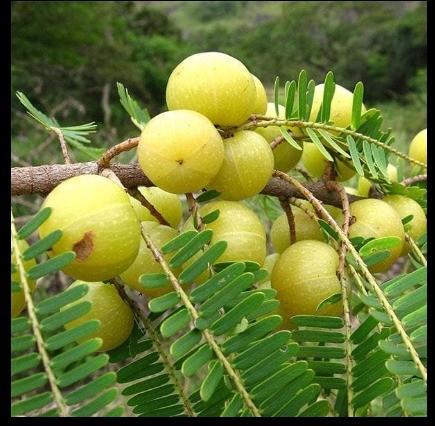
In addition, Amla strengthens hair follicles. Many people associate aging with hair thinning and greying. However, Amla nourishes the scalp deeply, promotes hair growth, and slows premature greying.
Furthermore, Ayurveda classifies Amla as a powerful Rasayana herb. It rejuvenates body tissues and enhances longevity. Unlike temporary cosmetic fixes, Amla strengthens the digestive system, which Ayurveda considers the foundation of healthy aging.
Another key advantage includes detoxification. Toxins accumulate in the body due to pollution and poor diet. Consequently, they accelerate aging. Amla flushes toxins effectively and supports liver health.
Why Amla Is a Top Anti-Aging Herb:
- Boosts collagen naturally
- Improves skin glow
- Reduces pigmentation
- Prevents premature greying
- Enhances immunity
- Supports digestion
Therefore, if you want radiant skin and stronger hair naturally, Amla remains an essential Ayurvedic anti-aging solution.
Shatavari – The Rejuvenation Herb for Women
Shatavari, known scientifically as Asparagus racemosus, plays a vital role in Ayurvedic anti-aging therapies, especially for women. Since hormonal imbalances significantly influence aging, Shatavari supports long-term youthfulness by maintaining hormonal harmony.
First and foremost, Shatavari nourishes reproductive tissues. As estrogen levels decline with age, skin dryness, mood swings, and fatigue increase. However, Shatavari naturally balances female hormones. Consequently, it improves skin hydration and emotional stability.
Moreover, Shatavari strengthens immunity. Aging weakens immune responses gradually. Therefore, consuming Shatavari regularly helps maintain resistance against infections and inflammation.
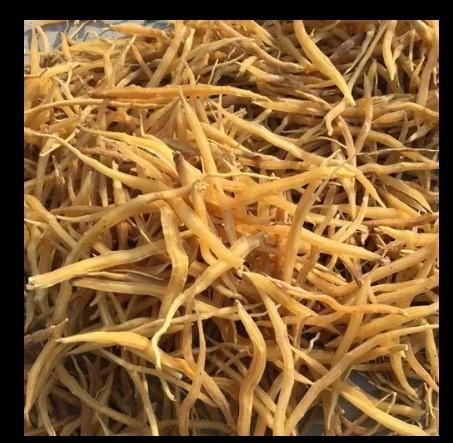
In addition, this herb improves skin moisture retention. Dryness often leads to early wrinkles. However, Shatavari provides internal hydration, which keeps skin soft and supple.
Furthermore, Shatavari acts as a powerful antioxidant. It protects cells from damage and reduces inflammation. Since chronic inflammation accelerates aging, Shatavari slows this process significantly.
Another important benefit includes digestive support. Strong digestion ensures better nutrient absorption. Therefore, your body receives essential vitamins and minerals required for youthful vitality.
Anti-Aging Benefits of Shatavari:
- Balances female hormones
- Improves skin hydration
- Boosts immunity
- Reduces inflammation
- Enhances reproductive health
Thus, Shatavari remains one of the most effective Ayurvedic anti-aging herbs for women’s overall wellness.
Brahmi – The Brain & Memory Rejuvenator
Aging does not affect skin alone; it also impacts cognitive function. Therefore, Ayurveda includes Brahmi among its top anti-aging herbs for mental clarity and longevity.
Brahmi, scientifically known as Bacopa monnieri, enhances brain function significantly. First of all, it improves memory retention and concentration. As cognitive decline begins with age, Brahmi protects neural pathways effectively.
Moreover, Brahmi reduces stress and anxiety. Mental stress accelerates aging internally. However, Brahmi calms the nervous system and promotes emotional balance.
In addition, Brahmi contains strong antioxidant compounds. These antioxidants protect brain cells from oxidative damage. Consequently, they reduce the risk of age-related cognitive decline.
Furthermore, Brahmi improves blood circulation to the brain. Proper circulation ensures oxygen delivery and nutrient supply. Therefore, mental performance remains sharp even with advancing age.
Another crucial benefit includes better sleep quality. Since sleep supports cellular repair, Brahmi indirectly enhances anti-aging effects.
Why Brahmi Supports Anti-Aging:
- Improves memory
- Reduces stress
- Protects brain cells
- Enhances focus
- Supports deep sleep
Thus, Brahmi strengthens not only physical youth but also mental vitality.
Also Read :- Best Ayurvedic Herbs for Constipation
Guduchi – The Immunity Booster That Slows Aging Naturally
When discussing powerful anti-aging herbs used in Ayurveda, Guduchi (Tinospora cordifolia) stands out as a superior Rasayana herb. Ayurveda often calls it Amrita, meaning “nectar of immortality.” This name clearly reflects its rejuvenating properties. If you want to strengthen immunity while slowing aging, Guduchi offers remarkable benefits.
First and foremost, Guduchi strengthens the immune system. As people age, immunity declines steadily. Consequently, the body becomes more vulnerable to infections, inflammation, and chronic diseases. However, Guduchi enhances white blood cell function and improves the body’s natural defense mechanism. Therefore, it prevents age-related health complications effectively.
Moreover, Guduchi reduces chronic inflammation. Inflammation silently accelerates aging by damaging tissues and organs. In fact, modern science links chronic inflammation with wrinkles, joint pain, and fatigue. However, Guduchi balances inflammatory responses and protects cells from damage.
In addition, Guduchi supports liver detoxification. The liver plays a major role in eliminating toxins. When toxins accumulate, skin loses glow and energy levels drop. Therefore, Guduchi helps purify the blood and restore radiance naturally.
Furthermore, Guduchi regulates blood sugar levels. Uncontrolled glucose damages collagen and accelerates aging. However, by maintaining stable blood sugar, Guduchi protects skin elasticity and internal organs.
Another significant advantage includes improved digestion and metabolism. Since Ayurveda considers digestion the root of health, Guduchi strengthens digestive fire (Agni). As a result, the body absorbs nutrients more efficiently, which supports youthful vitality.
Also Read :- PCOS Treatment in Ayurveda – Natural Hormone Balance
Key Anti-Aging Benefits of Guduchi:
- Boosts immunity
- Reduces inflammation
- Detoxifies the liver
- Supports healthy blood sugar
- Improves digestion
Therefore, Guduchi serves as a foundational anti-aging herb in Ayurveda because it protects the body from within.
Turmeric – The Golden Herb for Youthful Skin and Longevity
Turmeric, known as Haridra in Ayurveda, remains one of the most researched anti-aging herbs worldwide. Its active compound, curcumin, delivers powerful antioxidant and anti-inflammatory effects. Consequently, turmeric plays a vital role in natural anti-aging treatments.
First of all, turmeric combats oxidative stress. Free radicals damage skin cells and accelerate wrinkle formation. However, curcumin neutralizes these harmful molecules. Therefore, regular consumption of turmeric supports smoother, healthier skin.
Moreover, turmeric boosts collagen production. Collagen maintains skin firmness and elasticity. As collagen declines with age, sagging increases. However, turmeric helps stimulate collagen synthesis naturally.
In addition, turmeric improves skin complexion. It reduces pigmentation, dark spots, and uneven tone. Therefore, many Ayurvedic skincare remedies include turmeric for glowing skin.
Furthermore, turmeric strengthens joint health. Aging often brings stiffness and discomfort. However, turmeric reduces inflammation in joints and improves mobility. As a result, individuals maintain an active lifestyle longer.
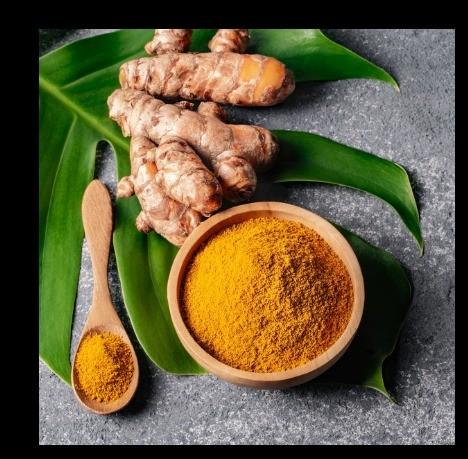
Another important benefit includes improved brain health. Curcumin supports cognitive function and may reduce the risk of age-related memory decline.
Why Turmeric Is a Powerful Anti-Aging Herb:
- Fights free radicals
- Reduces inflammation
- Improves skin glow
- Supports joint health
- Enhances brain function
Thus, turmeric delivers comprehensive anti-aging benefits that extend beyond skincare.
Gotu Kola – The Herb for Collagen and Skin Repair
Gotu Kola, known as Mandukaparni in Ayurveda, supports skin regeneration and longevity. Unlike cosmetic treatments that temporarily tighten skin, Gotu Kola improves collagen structure at a deeper level.
First and foremost, Gotu Kola enhances collagen synthesis. Collagen determines skin firmness and elasticity. Therefore, regular intake helps reduce wrinkles and sagging.
Moreover, this herb improves blood circulation. Proper circulation ensures oxygen and nutrient supply to skin cells. Consequently, skin appears brighter and healthier.
In addition, Gotu Kola accelerates wound healing. It repairs damaged tissues effectively. Therefore, it supports skin recovery and prevents premature aging.
Furthermore, Gotu Kola strengthens connective tissues. Aging weakens connective structures, leading to loose skin. However, this herb reinforces tissue integrity.
Another advantage includes improved mental clarity. Ayurveda recognizes Gotu Kola as a medhya herb (brain tonic). Thus, it enhances both physical and mental youthfulness.
Anti-Aging Benefits of Gotu Kola:
- Stimulates collagen
- Improves circulation
- Enhances wound healing
- Strengthens connective tissues
- Boosts cognitive health
Therefore, Gotu Kola remains a valuable addition to Ayurvedic anti-aging regimens.
Neem – The Detoxifying Protector Against Premature Aging
Neem holds a respected place in Ayurveda due to its powerful detoxifying and antibacterial properties. Although many people associate Neem with skincare alone, it also supports internal purification, which directly influences aging.
First of all, Neem purifies the blood. Impurities often manifest as acne, dullness, and pigmentation. However, Neem removes toxins effectively. Consequently, skin appears clearer and healthier.
Moreover, Neem fights harmful bacteria and pathogens. Chronic infections weaken immunity and accelerate aging. However, Neem strengthens the body’s defense system.
In addition, Neem reduces inflammation. Since inflammation contributes to premature aging, Neem slows this process naturally.
Furthermore, Neem supports liver and digestive health. When digestion functions properly, nutrient absorption improves. Therefore, skin and hair receive better nourishment.
Another benefit includes regulation of oil production. Balanced oil levels prevent acne and clogged pores, which helps maintain youthful skin texture.
Why Neem Supports Anti-Aging:
- Detoxifies blood
- Reduces inflammation
- Fights bacteria
- Supports digestion
- Improves skin clarity
Thus, Neem works as both an internal cleanser and external skin protector.
Ginseng (Adaptogenic Support in Ayurveda-Inspired Wellness)
Although Ginseng originates from traditional Chinese medicine, Ayurvedic practitioners often integrate adaptogenic herbs like Ginseng into holistic anti-aging routines. Ginseng strengthens energy levels and improves resilience against stress.
First and foremost, Ginseng enhances stamina and vitality. As energy declines with age, fatigue becomes common. However, Ginseng boosts cellular energy production and improves endurance.
Moreover, Ginseng supports cognitive function. It enhances memory, focus, and mental clarity. Therefore, it contributes to graceful aging.
In addition, Ginseng improves skin elasticity by stimulating collagen production. Consequently, it reduces fine lines and improves firmness.
Furthermore, Ginseng balances stress hormones. Chronic stress accelerates aging dramatically. However, adaptogenic herbs help the body respond more efficiently to stress.
Another advantage includes improved immune response. Strong immunity protects against age-related disorders.
Anti-Aging Benefits of Ginseng:
- Boosts energy
- Improves mental clarity
- Supports collagen production
- Reduces stress impact
- Enhances immunity
Therefore, when combined with Ayurvedic herbs like Ashwagandha and Amla, Ginseng strengthens a comprehensive anti-aging strategy.
Triphala – The Foundational Rejuvenator for Detox and Longevity
When exploring anti-aging herbs used in Ayurveda, Triphala deserves special attention. Unlike single herbs, Triphala combines three powerful fruits — Amla, Haritaki, and Bibhitaki. Together, they create a balanced Rasayana formula that supports detoxification, digestion, and cellular rejuvenation.
First and foremost, Triphala strengthens digestion. Ayurveda clearly states that strong digestion prevents toxin accumulation. However, weak digestion produces Ama (toxins), which accelerate aging. Therefore, Triphala cleanses the digestive tract and improves nutrient absorption. As a result, the body receives maximum nourishment.
Moreover, Triphala supports gentle detoxification. Instead of harsh cleansing methods, it eliminates waste naturally and consistently. Consequently, the skin appears clearer, and energy levels increase.
In addition, Triphala delivers powerful antioxidants. These antioxidants protect cells from oxidative stress. Since oxidative damage causes wrinkles, pigmentation, and tissue degeneration, Triphala slows visible aging effectively.
Furthermore, Triphala supports eye health. Aging often affects vision gradually. However, its antioxidant profile strengthens ocular tissues and maintains clarity.
Another key advantage includes improved gut microbiome balance. A healthy gut improves immunity and hormonal regulation. Therefore, Triphala promotes holistic anti-aging benefits.
Anti-Aging Benefits of Triphala:
- Detoxifies gently
- Improves digestion
- Boosts immunity
- Protects cells from oxidative stress
- Enhances skin clarity
Thus, Triphala forms the foundation of many Ayurvedic anti-aging protocols.
Mulethi (Licorice) – The Skin Brightening Rejuvenator
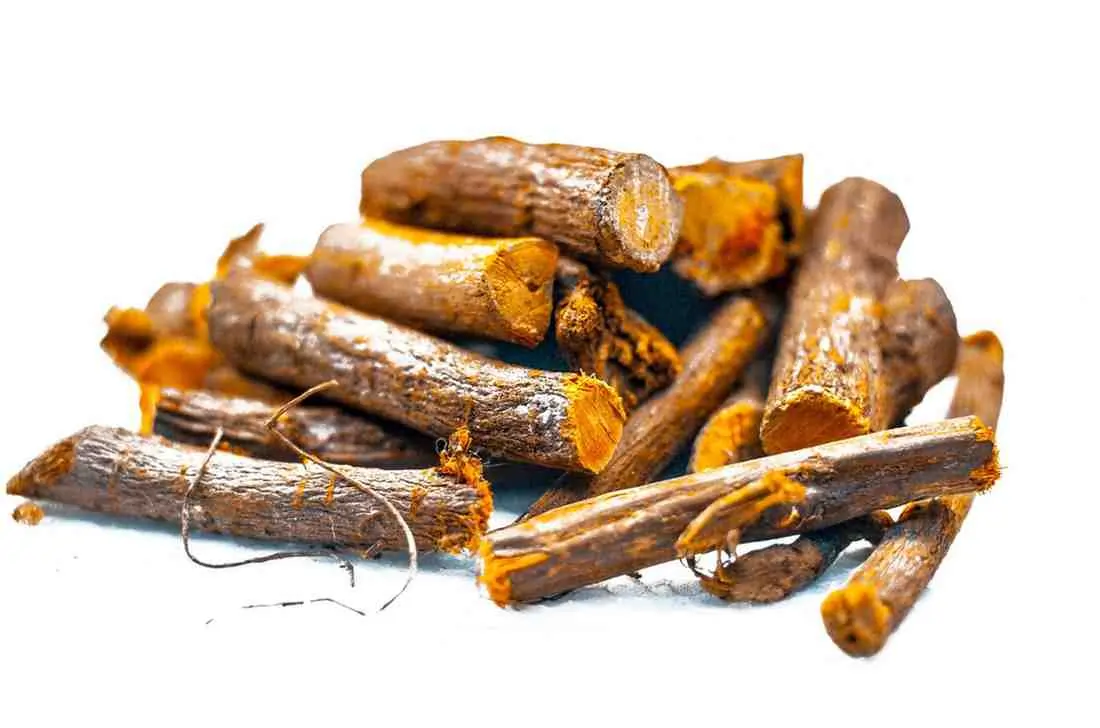
Mulethi, also known as Licorice root, plays a significant role in Ayurvedic skincare and anti-aging therapies. While many herbs focus on internal rejuvenation, Mulethi delivers both internal and external benefits.
First of all, Mulethi reduces hyperpigmentation. Uneven skin tone and dark spots increase with age. However, Licorice contains glabridin, which brightens skin naturally. Therefore, it promotes a more even complexion.
Moreover, Mulethi reduces inflammation. Chronic inflammation damages collagen fibers and accelerates skin sagging. However, Licorice soothes irritated tissues and supports repair.
In addition, Mulethi hydrates skin deeply. Dryness contributes to fine lines and wrinkles. Therefore, its moisturizing properties improve skin elasticity and softness.
Furthermore, Mulethi supports respiratory health. Strong oxygen flow ensures better cell regeneration. Consequently, improved oxygenation enhances skin vitality.
Another advantage includes adrenal support. Balanced stress hormones prevent premature aging. Therefore, Mulethi contributes to internal stability.
Why Mulethi Supports Anti-Aging:
- Reduces pigmentation
- Soothes inflammation
- Improves hydration
- Supports adrenal health
- Enhances skin glow
Thus, Mulethi works as a natural skin-brightening and rejuvenating herb.
Tulsi – The Sacred Anti-Aging Protector
Tulsi, also known as Holy Basil, holds sacred importance in Ayurveda. Beyond its spiritual value, Tulsi offers remarkable anti-aging properties.
First and foremost, Tulsi strengthens immunity. Since immunity weakens with age, infections and inflammation increase. However, Tulsi enhances immune response naturally.
Moreover, Tulsi reduces stress. Chronic stress accelerates aging internally and externally. Therefore, Tulsi calms the nervous system and balances cortisol levels.
In addition, Tulsi contains strong antioxidants. These compounds neutralize free radicals effectively. Consequently, Tulsi protects skin cells from damage.
Furthermore, Tulsi improves respiratory and cardiovascular health. Proper oxygen circulation enhances skin radiance and energy levels.
Another significant benefit includes blood purification. Clean blood supports clearer skin and reduced acne.
Anti-Aging Benefits of Tulsi:
- Boosts immunity
- Reduces stress
- Protects against oxidative damage
- Improves circulation
- Detoxifies blood
Therefore, Tulsi supports longevity, vitality, and youthful glow.
Safed Musli – The Strength and Vitality Enhancer
Safed Musli remains one of Ayurveda’s most valued rejuvenating herbs. While many herbs focus on skin, Safed Musli enhances overall vitality and physical strength.
First of all, Safed Musli increases stamina and endurance. As aging progresses, muscle mass declines gradually. However, Safed Musli supports muscle strength and tissue regeneration.
Moreover, this herb balances hormones. Hormonal imbalance contributes to fatigue and skin changes. Therefore, Safed Musli promotes stability and vitality.
In addition, Safed Musli improves reproductive health. Ayurveda associates reproductive vitality with longevity. Consequently, enhanced vitality reflects improved aging outcomes.
Furthermore, Safed Musli strengthens bones and joints. Aging often reduces bone density. However, this herb supports skeletal health and mobility.
Another advantage includes immune support. Strong immunity prevents age-related illnesses.
Why Safed Musli Supports Anti-Aging:
- Boosts stamina
- Supports hormonal balance
- Enhances muscle strength
- Strengthens bones
- Improves immunity
Thus, Safed Musli promotes youthful strength from within.
How to Use Anti-Aging Herbs Safely + Final Conclusion
While Ayurvedic anti-aging herbs provide powerful benefits, proper usage ensures safety and effectiveness. Therefore, understanding correct dosage and combinations becomes essential.
First and foremost, consult a qualified Ayurvedic practitioner. Individual body types (Prakriti) influence herb suitability. Therefore, personalized guidance prevents imbalances.
Moreover, use herbs consistently rather than excessively. Ayurveda emphasizes gradual rejuvenation. Consequently, long-term use produces sustainable results.
In addition, combine herbs with healthy lifestyle practices. Proper sleep, balanced diet, yoga, and meditation enhance herb effectiveness significantly.
Furthermore, choose high-quality, organic sources. Poor-quality herbs may contain contaminants that reduce benefits.
General Guidelines:
- Take herbs after meals unless advised otherwise
- Avoid mixing too many herbs without guidance
- Maintain hydration
- Follow recommended dosages
Now, let us summarize.
Ayurveda offers a holistic approach to anti-aging. Instead of targeting wrinkles alone, it strengthens immunity, digestion, hormonal balance, and mental clarity. Herbs like Ashwagandha, Amla, Guduchi, Turmeric, Triphala, Tulsi, and Safed Musli provide comprehensive rejuvenation.
Therefore, if you seek natural youthfulness, Ayurvedic anti-aging herbs deliver long-term vitality without harsh side effects. By combining herbal.
Frequently Asked Questions
1. What are the best anti-aging herbs in Ayurveda?
Ashwagandha, Amalaki, Guduchi, Brahmi, Shatavari, and Turmeric are considered the best anti-aging herbs.
2. How does Ayurveda slow down aging?
Ayurveda slows aging through Rasayana therapy, detoxification, balanced diet, and herbal rejuvenation.
3. Is Ashwagandha good for wrinkles?
Yes, Ashwagandha reduces stress hormones and supports collagen production, helping reduce wrinkles.
4. Can Amla improve skin glow?
Yes, Amla is rich in Vitamin C and antioxidants that enhance skin radiance.
5. What is Rasayana in Ayurveda?
Rasayana is a rejuvenation therapy that promotes longevity and youthful vitality.
6. Are Ayurvedic anti-aging herbs safe?
Yes, when taken in recommended doses under professional guidance.
7. Can these herbs improve hair health?
Yes, herbs like Amla and Brahmi strengthen hair and reduce premature greying.
8. How long does Ayurvedic treatment take to show results?
Natural herbs work gradually and may take 4–8 weeks for visible improvement.
9. Can men and women both use these herbs?
Yes, though Shatavari is more beneficial for women’s hormonal health.
10. Do these herbs boost immunity?
Yes, most Rasayana herbs enhance immune strength and overall vitality.
Conclusion
Anti-aging herbs used in Ayurveda do not just improve outer appearance — they nourish the body from inside.
Herbs like Ashwagandha, Amalaki, Guduchi, Brahmi, and Shatavari work on:
✔ Cellular repair
✔ Hormonal balance
✔ Stress reduction
✔ Collagen support
✔ Immune strengthening
True beauty in Ayurveda comes from balanced Doshas, strong digestion, and healthy Ojas.
For best results, always consult a qualified Ayurvedic practitioner before starting any herbal regimen.
References
- Charaka Samhita – Rasayana Adhyaya (Rejuvenation Therapy Section), translated by P.V. Sharma, Chaukhambha Orientalia.
- Sushruta Samhita – Sutra Sthana, Ayurvedic principles of longevity and vitality.
- Government of India, Ministry of AYUSH – Official Ayurveda Resources
- National Center for Biotechnology Information (NCBI) – Research studies on Ashwagandha, Curcumin, and Amla
- Ayurvedic Pharmacopoeia of India – Ministry of AYUSH, Government of India.
- World Health Organization (WHO) – Traditional Medicine Strategy Reports
- Lad, Vasant. Textbook of Ayurveda: Fundamental Principles. The Ayurvedic Press.
- Pole, Sebastian. Ayurvedic Medicine: The Principles of Traditional Practice. Singing Dragon Publishing.