
Introduction
Healthy, glowing skin is not just about using expensive beauty products — in Ayurveda, it begins from within. According to this ancient system of natural healing, skin health reflects the balance of your doshas, the strength of your digestion (Agni), and the purity of your blood and tissues. When the body is balanced and free from toxins (Ama), the skin naturally appears radiant, clear, and youthful.
An Ayurvedic skincare routine focuses on gentle, natural ingredients and daily rituals that nourish the skin while supporting internal health. Rather than harsh chemicals or quick fixes, Ayurveda recommends herbs, oils, face masks, and lifestyle practices tailored to your unique skin type — whether Vata (dry), Pitta (sensitive), or Kapha (oily).
In this guide, you will discover a simple and effective Ayurvedic skincare routine for glowing skin, including cleansing methods, herbal face packs, diet tips, hydration advice, and daily habits that promote long-lasting radiance. By following these time-tested principles, you can achieve naturally healthy skin in a safe, holistic, and sustainable way.
Why Ayurveda Is the Secret to Naturally Glowing Skin
Glowing skin never happens by accident. Instead, it reflects internal balance, proper nourishment, and disciplined self-care. While modern skincare focuses heavily on external creams and chemical treatments, Ayurveda approaches skincare differently. It addresses the root cause rather than covering surface issues. Therefore, if you want long-lasting radiance, you must understand why an Ayurvedic skincare routine for glowing skin works so effectively.
First, Ayurveda connects skin health with digestion, lifestyle, emotional balance, and dosha harmony. According to Ayurvedic principles, glowing skin emerges when Vata, Pitta, and Kapha remain balanced. However, when these doshas become imbalanced, skin problems appear. For instance, excess Pitta creates inflammation, acne, and redness. Similarly, aggravated Vata causes dryness and premature aging. Meanwhile, excess Kapha leads to oily skin and clogged pores.
Therefore, Ayurveda does not treat dull skin as a surface problem. Instead, it improves digestion (Agni), detoxifies the body, balances hormones, and strengthens tissues. As a result, skin begins to glow naturally from within.
Moreover, Ayurvedic skincare uses natural herbs, oils, and plant-based ingredients. Unlike chemical-based products that often damage the skin barrier, Ayurvedic remedies nourish and protect simultaneously. Consequently, skin becomes stronger and more resilient over time.
Additionally, Ayurveda emphasizes routine and discipline. When you follow a consistent daily skincare ritual, you support natural regeneration cycles. Since skin renews itself approximately every 28 days, regular care ensures consistent glow.
Furthermore, stress management plays a crucial role. Emotional stress increases cortisol levels, which reduces skin elasticity and causes breakouts. However, Ayurveda integrates yoga, meditation, and proper sleep into skincare routines. Therefore, glow improves holistically.
In conclusion, Ayurvedic skincare focuses on internal purification, balanced diet, proper hydration, herbal application, and mental peace. When you align all these elements, glowing skin becomes a natural outcome rather than a temporary effect.
Also Read :- Best Ayurvedic Herbs for Constipation

Understanding Your Skin Type According to Doshas
Before starting any Ayurvedic skincare routine for glowing skin, you must identify your dosha-based skin type. Without understanding your constitution, you may choose remedies that worsen imbalance. Therefore, correct identification ensures effective results.
Vata Skin Type
Vata-dominant skin feels dry, thin, and delicate. It often shows early signs of aging, including fine lines and dullness. Moreover, cold weather aggravates dryness quickly. Therefore, Vata skin requires intense hydration and nourishment.
Pitta Skin Type
Pitta skin appears sensitive, warm, and prone to redness. It develops acne, rashes, and pigmentation easily. Since Pitta relates to heat, cooling remedies work best.
Kapha Skin Type
Kapha skin feels thick, oily, and smooth. Although it ages slowly, it often struggles with clogged pores and blackheads. Therefore, regular cleansing becomes essential.
Once you identify your skin type, you can customize your Ayurvedic routine effectively.
For example:
- Vata skin benefits from sesame oil massage.
- Pitta skin thrives with sandalwood and rose water.
- Kapha skin improves with neem and multani mitti.
Moreover, seasonal changes influence doshas. Therefore, adjust your skincare according to weather conditions.
When you tailor remedies to your constitution, glow improves significantly because treatments address root imbalance rather than symptoms.
Morning Ayurvedic Skincare Routine for Radiant Glow
A structured morning routine sets the foundation for glowing skin. Since your body eliminates toxins overnight, morning cleansing removes impurities effectively.
Step 1: Gentle Cleansing
Wash your face with lukewarm water. For oily skin, use neem-infused water. For dry skin, cleanse with milk or chickpea flour (besan). This natural cleansing preserves skin barrier.
Step 2: Herbal Toning
Apply rose water immediately after cleansing. Rose water balances pH levels and cools the skin. Consequently, pores tighten and inflammation reduces.
Step 3: Herbal Moisturizing
Use Aloe Vera gel for hydration. If you have dry skin, mix Aloe Vera with a few drops of almond oil. For oily skin, apply plain Aloe gel.
Step 4: Sun Protection
Ayurveda traditionally recommends protective herbs like sandalwood paste for mild sun exposure. However, combine it with modern SPF for practical protection.
Additionally, drink warm water with lemon in the morning. This detoxifies the system and improves skin clarity.
When you follow this routine daily, your skin remains fresh, balanced, and luminous throughout the day.
Night Ayurvedic Skincare Ritual for Deep Nourishment
Nighttime allows skin repair and regeneration. Therefore, your evening routine plays a crucial role in achieving glowing skin naturally.
Step 1: Deep Cleansing
Remove dirt, pollution, and makeup thoroughly. Use raw milk or a gentle herbal cleanser.
Step 2: Oil Massage (Abhyanga for Face)
Facial oil massage improves circulation. For dry skin, use almond oil. For acne-prone skin, use jojoba oil sparingly.
Massage gently in upward circular motions for 5–7 minutes. Consequently, blood flow improves and nutrients reach skin cells efficiently.
Step 3: Herbal Treatment
Apply turmeric spot treatment or sandalwood paste if needed.
Step 4: Adequate Sleep
Sleep before 11 PM. Since hormonal balance improves at night, proper sleep enhances skin repair significantly.
Additionally, change pillow covers regularly to avoid bacterial buildup.
When you consistently follow a night routine, skin texture improves and glow becomes visible within weeks.
Weekly Ayurvedic Face Packs for Instant Glow
Weekly face packs accelerate skin detoxification. However, choosing the right ingredients ensures safe and effective results.
Multani Mitti Pack (For Oily Skin)
Mix Multani Mitti with rose water. Apply once weekly to absorb excess oil.
Turmeric & Honey Pack (For Acne-Prone Skin)
This combination reduces inflammation and adds brightness.
Sandalwood & Milk Pack (For Sensitive Skin)
Sandalwood cools, while milk nourishes.
Besan & Yogurt Pack (For Dull Skin)
This pack exfoliates gently and improves complexion.
Moreover, avoid leaving packs until they crack completely. Rinse while slightly damp to prevent dryness.
Additionally, always moisturize after face packs.
When you apply face packs consistently but moderately, skin appears clearer and brighter naturally.
Ayurvedic Diet Plan for Naturally Glowing Skin
If you truly want radiant and glowing skin, you must focus on your diet first. Although topical treatments improve texture temporarily, your skin reflects what you eat daily. Therefore, an Ayurvedic skincare routine for glowing skin always begins in the kitchen.
According to Ayurveda, digestion (Agni) determines skin clarity. When digestion functions properly, your body absorbs nutrients efficiently. However, when digestion weakens, toxins known as Ama accumulate. Consequently, dullness, acne, pigmentation, and uneven tone appear.
First, include fresh and seasonal foods in your meals. Ayurveda strongly recommends eating according to seasons because seasonal foods naturally balance doshas. For example, during summer, cooling foods like cucumber, coconut water, watermelon, and mint reduce excess Pitta. As a result, skin inflammation decreases and glow improves.
Moreover, consume healthy fats regularly. Ghee, soaked almonds, flaxseeds, and sesame seeds nourish skin tissues deeply. Since skin requires essential fatty acids, these healthy fats enhance softness and elasticity.
Additionally, include antioxidant-rich fruits like Amla, pomegranate, and berries. These foods fight free radicals and slow down premature aging. Consequently, your skin maintains youthful radiance.
On the other hand, avoid excessive fried, processed, and sugary foods. These foods increase toxin buildup and trigger inflammation. Therefore, reducing junk food significantly improves complexion.
Furthermore, drink warm water throughout the day. Warm water supports digestion and flushes toxins continuously. Avoid ice-cold drinks because they weaken digestive fire.
Importantly, eat meals at consistent times. Irregular eating disrupts hormonal balance and digestion. Therefore, maintain discipline in meal timing.
When you align your diet with Ayurvedic principles, your skin transforms gradually. Instead of depending solely on creams, you build internal strength. Consequently, glow becomes natural and long-lasting.
Ayurvedic Detox Drinks for Clear and Radiant Skin
Detoxification plays a crucial role in achieving glowing skin naturally. Since toxins accumulate through pollution, stress, and unhealthy eating, you must eliminate them regularly. Therefore, Ayurvedic detox drinks support internal cleansing effectively.
First, start your morning with warm lemon water. Lemon stimulates digestion and supports liver function. Consequently, your body eliminates toxins efficiently throughout the day.
Second, drink Amla juice daily. Amla contains high levels of Vitamin C and antioxidants. As a result, it boosts collagen production and enhances skin brightness. Moreover, Amla strengthens immunity, which indirectly supports skin health.
Third, try coriander seed water. Soak one tablespoon of coriander seeds overnight in water. Strain and drink in the morning. This drink reduces internal heat and balances Pitta dosha. Consequently, redness and breakouts reduce significantly.
Additionally, you can prepare a simple detox herbal tea. Boil Tulsi, Neem, and ginger in water. Drink occasionally to purify blood and control inflammation.
Furthermore, coconut water acts as a natural electrolyte drink. It hydrates skin cells and maintains pH balance. Therefore, include it regularly, especially during hot weather.
However, avoid over-detoxification. Excessive cleansing may weaken digestion. Therefore, maintain moderation and consistency.
When you incorporate these Ayurvedic detox drinks into your routine, your skin reflects improved clarity and brightness within weeks.
Facial Yoga and Massage for Natural Glow
While herbs and diet support skin internally, facial yoga enhances circulation externally. Since proper blood flow delivers oxygen and nutrients to skin cells, facial exercises improve glow naturally.
First, practice simple facial stretching exercises daily. For example, gently lift your cheeks using upward movements and hold for 10 seconds. Repeat several times. This exercise tones facial muscles and prevents sagging.
Second, perform jawline exercises by tilting your head upward and stretching the neck. This movement improves lymphatic drainage. Consequently, puffiness reduces and skin appears firmer.
Moreover, regular facial massage using natural oils significantly enhances radiance. For dry skin, use almond oil. For oily skin, apply light jojoba oil sparingly.
Massage in upward circular motions for 5–10 minutes. This technique stimulates blood circulation and promotes collagen production. As a result, skin looks brighter and healthier.
Additionally, practice lymphatic drainage massage to remove toxins. Gently glide your fingers from the center of the face outward. This movement reduces fluid retention and improves contour.
Furthermore, combine facial yoga with deep breathing exercises. Since oxygen improves cell regeneration, combining breathwork enhances results.
When you integrate facial yoga into your Ayurvedic skincare routine, you notice improved firmness, reduced dullness, and enhanced glow over time.
Seasonal Ayurvedic Skincare Adjustments for Year-Round Glow
Your skin changes with seasons. Therefore, following the same skincare routine year-round may create imbalance. Ayurveda emphasizes seasonal adaptation to maintain harmony.
Summer (Pitta Season)
During summer, excess heat increases inflammation and tanning. Therefore, use cooling ingredients like sandalwood, rose water, Aloe Vera, and cucumber. Avoid heavy oils because they may clog pores.
Winter (Vata Season)
Winter dryness aggravates Vata. Consequently, skin becomes flaky and dull. Therefore, increase hydration through sesame oil massage, ghee consumption, and nourishing face packs.
Monsoon (Kapha Season)
Humidity during monsoon increases oiliness and clogged pores. Therefore, cleanse regularly and use Multani Mitti once weekly to absorb excess oil.
Moreover, adjust diet seasonally. Eat warming foods in winter and cooling foods in summer.
Additionally, modify hydration levels according to climate. Drink more water in summer and warm herbal teas in winter.
When you adapt skincare seasonally, you prevent imbalance before it manifests. Consequently, your glow remains consistent throughout the year.
Stress Management and Meditation for Radiant Skin
Glowing skin reflects emotional balance as much as physical care. Since stress increases cortisol levels, it directly affects skin health. Therefore, managing stress becomes essential in any Ayurvedic skincare routine for glowing skin.
When stress rises, oil production increases and collagen breaks down. Consequently, acne, wrinkles, and dullness appear.
First, practice daily meditation for at least 10–15 minutes. Meditation reduces cortisol and promotes inner calm. As a result, inflammation decreases significantly.
Second, practice Pranayama breathing exercises. Techniques like Anulom Vilom improve oxygen flow and detoxification. Consequently, skin appears fresher and brighter.
Moreover, maintain consistent sleep schedules. Sleeping before 11 PM allows proper hormonal regulation. Therefore, skin repairs effectively overnight.
Additionally, spend time in nature. Sunlight in moderation boosts Vitamin D levels and improves mood. Consequently, overall complexion improves.
When you integrate stress management into your routine, glow improves naturally and sustainably.
Ayurvedic Herbs That Naturally Boost Skin Glow and Repair Damage
Ayurveda strongly emphasizes the power of herbs in transforming skin health from within. Unlike chemical-based skincare that often delivers temporary brightness, Ayurvedic herbs nourish tissues, balance doshas, and strengthen the skin at a cellular level. Therefore, if you truly want long-lasting glowing skin, you must include powerful Ayurvedic herbs in your skincare routine.
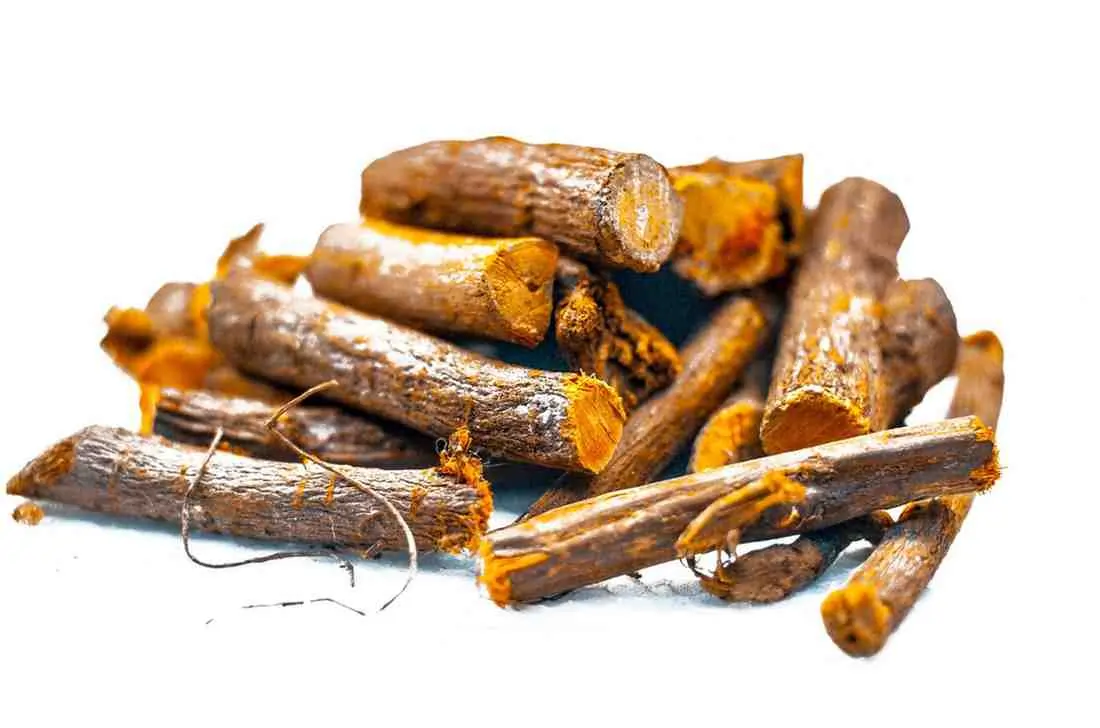
First and foremost, Manjistha stands out as one of the best blood-purifying herbs in Ayurveda. It detoxifies the blood, reduces pigmentation, clears acne marks, and improves overall complexion. When you consume Manjistha powder with warm water daily, you support internal detoxification. As a result, your skin gradually becomes clearer and more radiant. In addition, you can mix Manjistha powder with rose water to create a face pack that visibly brightens dull skin.
Similarly, Neem plays a powerful role in maintaining clear skin. Neem contains strong antibacterial and antifungal properties that prevent acne and inflammation. If you regularly apply neem paste or use neem-infused water to wash your face, you reduce breakouts effectively. Moreover, neem balances Pitta and Kapha dosha, which often cause oily and acne-prone skin.
Another highly effective herb is Turmeric. Turmeric contains curcumin, which reduces inflammation and boosts skin healing. When you apply turmeric with yogurt or honey, you instantly brighten your skin tone. Furthermore, turmeric helps reduce dark spots and acne scars over time. However, always use Kasturi turmeric for face packs because it does not stain the skin heavily.
Additionally, Aloe Vera hydrates, soothes, and repairs damaged skin tissue. If you apply fresh aloe vera gel daily, you improve elasticity and reduce fine lines naturally. Aloe vera also cools Pitta, which makes it ideal for sensitive and inflamed skin types.
You should also consider Ashwagandha for anti-aging benefits. Ashwagandha strengthens collagen production and reduces stress-related skin dullness. When you consume Ashwagandha regularly, you enhance your skin’s resilience against environmental damage.
In conclusion, Ayurvedic herbs provide holistic skin healing instead of surface-level treatment. Therefore, include these herbs both internally and externally to achieve glowing skin that lasts. Consistency matters most, so follow this routine regularly for visible improvement.
Night-Time Ayurvedic Skincare Routine for Deep Repair and Radiance
Nighttime skincare plays a crucial role in achieving glowing skin because your body repairs itself during sleep. Therefore, you must follow a structured Ayurvedic skincare routine at night to maximize skin regeneration.
First, always cleanse your face thoroughly. Throughout the day, dirt, pollution, and excess oil accumulate on your skin. If you fail to remove them properly, clogged pores can dull your complexion. Use raw milk or a gentle herbal cleanser to clean your face deeply without stripping natural oils.
Next, apply a mild herbal toner such as rose water. Rose water tightens pores and balances pH levels. Additionally, it calms irritated skin and prepares your face for better absorption of oils and creams.
After toning, perform a gentle facial massage using Kumkumadi oil or almond oil. Massage improves blood circulation, boosts collagen production, and enhances natural glow. Use upward circular motions for at least five minutes. As circulation improves, your skin receives better oxygen and nutrients.
Furthermore, you can apply a thin layer of aloe vera gel as an overnight hydrating mask. Aloe deeply nourishes skin tissues and repairs sun damage. If you struggle with pigmentation, mix a pinch of turmeric into aloe gel and apply it carefully.
In addition, drink a cup of warm turmeric milk before bed. This simple Ayurvedic habit detoxifies your body and promotes internal healing. As your body rests, it restores damaged skin cells more effectively.
Most importantly, maintain a consistent sleep schedule. Ayurveda emphasizes proper sleep (Nidra) as one of the three pillars of health. If you sleep for 7–8 hours, your skin regenerates efficiently and looks fresh the next morning.
Therefore, follow this Ayurvedic nighttime skincare routine daily. Over time, you will notice smoother texture, reduced blemishes, and a healthy glow
Weekly Ayurvedic Face Packs for Instant Glow and Detox
While daily care builds long-term results, weekly treatments accelerate your glow. Therefore, you should apply Ayurvedic face packs at least once or twice a week to detoxify and nourish your skin deeply.
For oily skin, prepare a neem and Multani mitti face pack. Mix neem powder with Multani mitti and rose water. Apply it evenly and leave it for 15 minutes. This pack absorbs excess oil, tightens pores, and prevents acne. As a result, your skin looks fresh and matte.
For dry skin, use a honey and sandalwood paste. Honey deeply moisturizes, while sandalwood cools and brightens the complexion. When you apply this pack regularly, you improve hydration and restore softness.
If you struggle with dull skin, prepare a turmeric and yogurt face mask. Yogurt contains lactic acid, which gently exfoliates dead skin cells. Meanwhile, turmeric enhances brightness and reduces inflammation. Together, they create a natural glow booster.
Additionally, for pigmentation and tanning, mix tomato juice with gram flour. Apply this mixture and rinse after 20 minutes. This simple remedy gradually lightens tan and improves skin clarity.
However, always perform a patch test before applying any new ingredient. Natural ingredients can still cause sensitivity in some individuals.
In conclusion, weekly Ayurvedic face packs provide deep nourishment and detoxification. Therefore, include them consistently in your skincare routine to maintain glowing sk
Ayurvedic Diet Plan for Naturally Glowing Skin
Glowing skin does not come only from external products. Ayurveda strongly believes that beauty reflects internal health. Therefore, you must follow an Ayurvedic diet plan to support radiant skin.
First, consume fresh seasonal fruits daily. Fruits such as papaya, pomegranate, and oranges provide essential vitamins and antioxidants. These nutrients fight free radicals and enhance skin brightness.
Next, include green vegetables in your meals. Spinach, bottle gourd, and cucumber hydrate the body and support liver detoxification. A healthy liver directly improves skin clarity.
Furthermore, drink warm water throughout the day. Warm water improves digestion and removes toxins effectively. When your digestion improves, your skin automatically looks clearer.
Avoid excessive fried, spicy, and processed foods. These foods increase Pitta dosha and trigger acne or inflammation. Instead, focus on balanced meals with whole grains, lentils, and ghee in moderation.
Additionally, include herbal drinks such as coriander water or fennel tea. These drinks cool the body and support hormonal balance.
Therefore, by following an Ayurvedic diet consistently, you improve skin health from the inside out.
Frequently Asked Questions (FAQs)
1. What is an Ayurvedic skincare routine?
An Ayurvedic skincare routine focuses on balancing your dosha (Vata, Pitta, Kapha) using natural herbs, oils, and lifestyle practices for healthy, glowing skin.
2. How do I know my skin type according to Ayurveda?
Vata skin is dry and thin, Pitta skin is sensitive and prone to redness, and Kapha skin is oily and thick. Identifying your dominant dosha helps choose the right skincare remedies.
3. Which Ayurvedic herbs are best for glowing skin?
Popular herbs include Turmeric, Neem, Sandalwood, Aloe Vera, Manjistha, and Amla for detoxification and radiance.
4. Can Ayurveda reduce acne naturally?
Yes, Ayurvedic remedies help detoxify the blood, balance Pitta dosha, and reduce inflammation that causes acne.
5. Is oil massage (Abhyanga) good for the skin?
Yes, daily Abhyanga with herbal oils nourishes the skin, improves circulation, and slows aging.
6. How often should I follow an Ayurvedic skincare routine?
Daily cleansing, weekly herbal masks, and seasonal detoxification are recommended for best results.
7. Can Ayurveda help with pigmentation?
Yes, herbs like Manjistha and Turmeric help reduce pigmentation and improve skin tone naturally.
8. What diet supports glowing skin in Ayurveda?
A fresh, warm, and easily digestible diet rich in fruits, vegetables, and herbal teas supports skin health.
9. Are Ayurvedic skincare remedies safe for sensitive skin?
Yes, when chosen according to your dosha and used in proper quantities, Ayurvedic remedies are generally gentle and safe.
10. How long does it take to see results with Ayurveda?
Natural skincare improvements typically appear within 4–8 weeks with consistent routine and proper diet.
Final Thoughts – Achieve Long-Lasting Glow with Ayurveda
Achieving glowing skin requires patience, discipline, and consistency. An Ayurvedic Skincare Routine for Glowing Skin does not promise overnight miracles; instead, it nurtures long-term beauty by strengthening the body from within.
First, identify your dosha (Vata, Pitta, or Kapha) and follow skincare practices that suit your unique constitution. Choose natural cleansers, herbal toners, and nourishing oils that balance your skin type. Next, maintain a consistent daily routine that includes cleansing, gentle exfoliation, and moisturizing with plant-based ingredients. Additionally, incorporate weekly detox face packs made with turmeric, sandalwood, or multani mitti to purify and brighten the skin.
Most importantly, focus on internal wellness. Eat fresh, seasonal foods, drink enough water, manage stress through yoga or meditation, and prioritize restful sleep. Healthy digestion and balanced hormones play a major role in maintaining clear and radiant skin.
In conclusion, an Ayurvedic Skincare Routine for Glowing Skin is not just about external application—it is a complete lifestyle approach. Commit to this holistic path with consistency and mindfulness. Over time, you will achieve naturally glowing, healthy, and radiant skin without relying on harsh chemicals.
References
- Charaka Samhita – Sutra Sthana (Daily routine and skin health principles).
- Sushruta Samhita – Sharira Sthana (Skin structure and Ayurvedic care).
- Ministry of AYUSH, Government of India – Official Ayurveda Resources
- National Center for Biotechnology Information (NCBI) – Studies on Turmeric, Neem, Aloe Vera, and herbal skincare
- Lad, Vasant. Textbook of Ayurveda: Fundamental Principles. The Ayurvedic Press.
- Pole, Sebastian. Ayurvedic Medicine: The Principles of Traditional Practice. Singing Dragon Publishing.