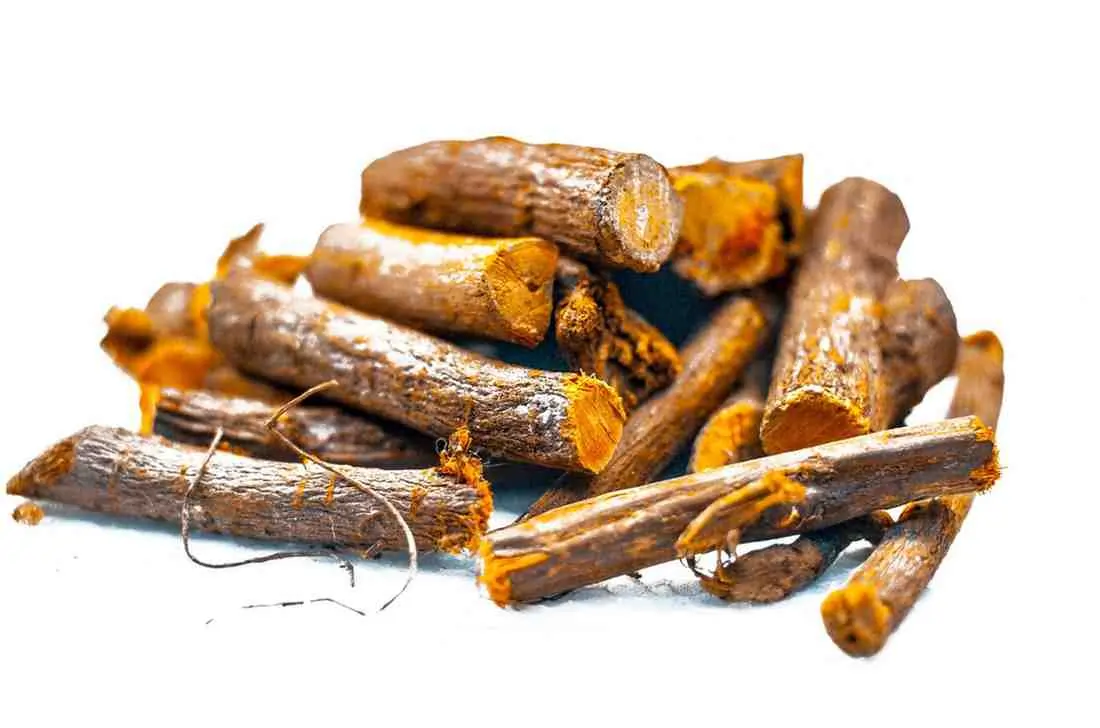
1. Understanding Hair Fall in Ayurveda: Root Cause Before Remedy
Hair fall has become one of the most common concerns in today’s fast-paced lifestyle. However, before rushing toward chemical-based solutions, it is important to understand the root cause of hair fall from a holistic perspective. Ayurveda, the ancient Indian system of medicine, does not treat hair fall as just a cosmetic issue. Instead, it considers hair health a reflection of internal balance. Therefore, if hair fall occurs, it signals an imbalance in the body’s doshas—Vata, Pitta, and Kapha.
According to Ayurveda, excess Pitta dosha primarily causes hair fall. Since Pitta governs heat and metabolism in the body, its aggravation leads to excess heat in the scalp. Consequently, hair roots weaken, and premature hair fall begins. Moreover, stress, irregular eating habits, lack of sleep, and consumption of spicy, oily, and processed foods further increase Pitta. As a result, hair thinning, dandruff, premature greying, and even bald patches may appear.
On the other hand, aggravated Vata dosha leads to dryness in the scalp. When the scalp loses its natural moisture, hair becomes brittle and breaks easily. Similarly, Kapha imbalance may cause excessive oiliness and clogged follicles, which eventually disrupt hair growth. Therefore, Ayurvedic treatment focuses on balancing doshas instead of merely applying external products.
Furthermore, Ayurveda connects hair health with the strength of Asthi Dhatu (bone tissue). Weak digestion, or “Agni,” reduces nutrient absorption. Consequently, the body fails to nourish hair follicles properly. Thus, hair fall increases gradually. Instead of ignoring digestive health, Ayurveda strongly emphasizes improving metabolism first.
In addition, mental stress plays a crucial role in hair loss. Chronic anxiety, overthinking, and emotional imbalance disturb hormonal harmony. Therefore, Ayurvedic treatment includes meditation, pranayama, and herbal formulations that calm the nervous system.
Unlike modern treatments that often provide temporary relief, Ayurveda works at the cellular level. It strengthens hair roots, improves scalp circulation, detoxifies the body, and restores hormonal balance. As a result, hair fall reduces naturally and sustainably.
Therefore, if you truly want long-term hair growth, you must focus on internal correction along with external nourishment. In the next section, we will explore the main causes of hair fall in detail according to Ayurveda and modern science.
Also Read :- Ayurvedic Weight Loss Plan for Beginners
2. Major Causes of Hair Fall: Ayurvedic and Modern Perspective
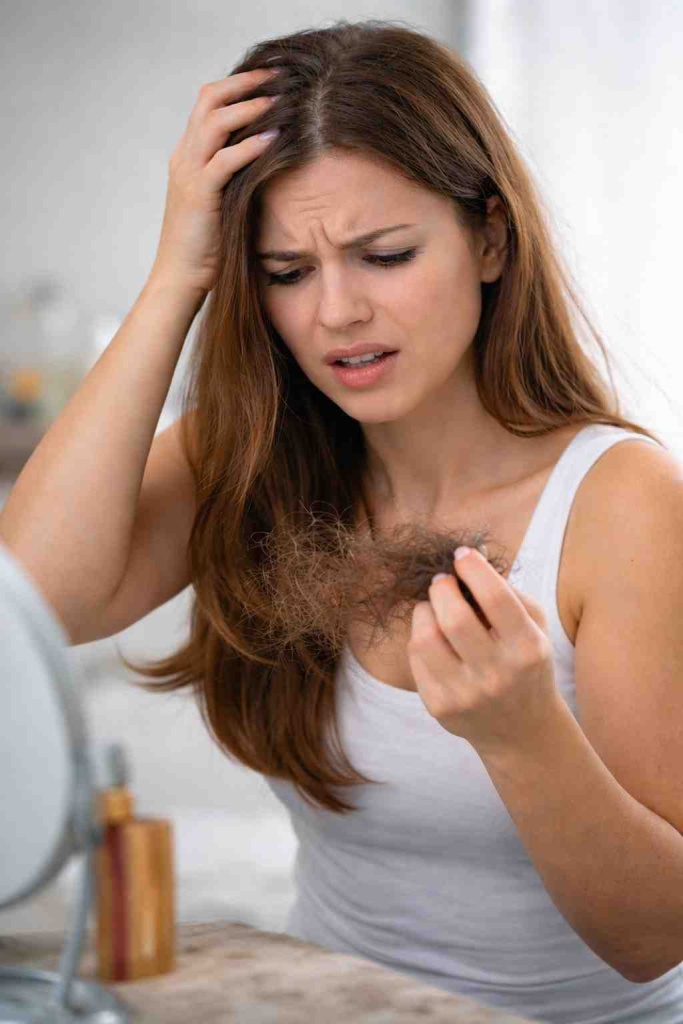
Hair fall does not occur overnight. Instead, multiple internal and external factors gradually weaken hair follicles. Therefore, identifying the exact cause becomes essential before choosing the right Ayurvedic treatment for hair fall.
Firstly, hormonal imbalance remains one of the primary reasons. Conditions like thyroid disorders, PCOS, and androgenetic alopecia disrupt the hair growth cycle. Consequently, excessive shedding occurs. Ayurveda correlates hormonal imbalance with aggravated Pitta and disturbed Rakta Dhatu (blood tissue).
Secondly, poor diet significantly contributes to hair fall. When a person consumes excessive junk food, sugar, and fried items, toxins (Ama) accumulate in the body. As a result, nutrient absorption decreases, and hair roots weaken. Moreover, protein deficiency and iron deficiency also accelerate hair thinning.
Thirdly, stress and lack of sleep severely impact hair health. Chronic stress increases cortisol levels. Consequently, hair follicles enter the resting phase prematurely, leading to excessive shedding. Ayurveda addresses this issue through adaptogenic herbs like Ashwagandha and Brahmi.
Additionally, environmental pollution damages the scalp. Dust, chemicals, and harsh shampoos strip natural oils. Therefore, the scalp becomes dry and inflamed. Over time, this condition weakens hair strands.
Furthermore, excessive use of styling tools such as straighteners and curlers damages hair structure. Heat breaks down keratin protein. As a result, hair becomes fragile and prone to breakage.
Another crucial factor includes genetic predisposition. If family members suffer from early hair loss, the probability increases. However, Ayurveda suggests that even genetic hair fall can be managed by strengthening body tissues and improving blood circulation.
In women, postpartum hair fall frequently occurs due to hormonal shifts. Similarly, rapid weight loss or crash dieting deprives the body of essential nutrients. Consequently, hair fall intensifies.
Therefore, instead of blindly applying random oils or serums, one must evaluate the underlying cause. Ayurveda always emphasizes personalized treatment based on Prakriti (body constitution).
Now that we understand the causes, let us move toward powerful Ayurvedic herbs that effectively control hair fall and promote regrowth.
Also Read :-PCOS Treatment in Ayurveda – Natural Hormone Balance
. Powerful Ayurvedic Herbs for Hair Fall Control
Ayurveda offers numerous herbs that strengthen hair naturally. Unlike chemical treatments, these herbs nourish the scalp without causing side effects. Therefore, consistent use provides sustainable results.
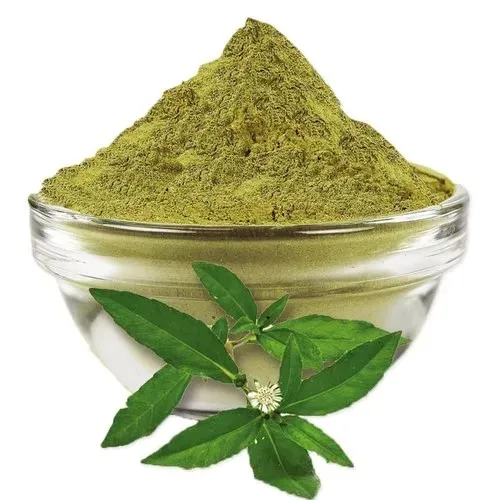
Firstly, Bhringraj stands as the king of herbs for hair. It improves blood circulation in the scalp and strengthens hair follicles. Moreover, it prevents premature greying and reduces dandruff. Regular application of Bhringraj oil significantly reduces hair fall.
Secondly, Amla (Indian Gooseberry) contains high Vitamin C and antioxidants. Consequently, it strengthens hair roots and boosts collagen production. You can consume Amla juice or apply Amla oil for best results.
Thirdly, Ashwagandha acts as a powerful stress-reliever. Since stress triggers hair fall, Ashwagandha balances cortisol levels. As a result, hair growth improves gradually.
Additionally, Brahmi enhances scalp nourishment. It reduces dryness and calms the nervous system. Therefore, hair texture improves naturally.
Furthermore, Neem fights scalp infections and dandruff. Its antifungal properties keep follicles healthy. Consequently, hair breakage reduces.
Another highly effective herb includes Fenugreek (Methi). It contains protein and nicotinic acid that strengthen hair shafts. Soaking fenugreek seeds overnight and applying the paste weekly shows visible improvement.
Lastly, Hibiscus promotes thicker hair growth. It stimulates dormant follicles and prevents split ends.
However, herbs work best when combined with a balanced diet and healthy lifestyle. Therefore, in the next section, we will explore Ayurvedic oils and scalp massage techniques that enhance hair growth.

4. Ayurvedic Hair Oils and Scalp Massage Techniques
Oil application, known as “Shiro Abhyanga,” plays a crucial role in Ayurvedic hair fall treatment. Unlike occasional oiling, Ayurveda recommends regular and mindful application.
Firstly, warm oil penetrates deeper into scalp tissues. Therefore, always slightly heat herbal oil before use. Massage gently using fingertips in circular motions. This technique improves blood circulation and strengthens roots.
Coconut oil works best for Pitta imbalance. On the other hand, sesame oil suits Vata imbalance. Meanwhile, Brahmi oil calms stress-related hair fall.
Moreover, regular oil massage improves sleep quality. Consequently, hormonal balance improves. Additionally, oiling reduces dryness and prevents split ends.
For best results, leave oil overnight or at least for two hours before washing. However, avoid excessive shampooing. Instead, use mild herbal cleansers like Shikakai.
Consistent oil massage twice a week significantly reduces hair fall within months.
Also Read :- Best Ayurvedic Herbs for Constipation
5. Ayurvedic Diet for Hair Growth: Nourish from Within
While external treatments certainly strengthen the scalp, long-term hair growth begins from within. Therefore, if you truly want to stop hair fall naturally, you must correct your diet first. Ayurveda strongly believes that healthy hair reflects strong digestion and balanced nutrition. When digestion weakens, toxins accumulate. Consequently, hair roots lose nourishment and fall prematurely.
First and foremost, include iron-rich foods in your daily diet. Spinach, beetroot, pomegranate, dates, and jaggery improve blood quality. As a result, better oxygen supply reaches hair follicles. Moreover, protein plays a crucial role in hair structure. Since hair consists mainly of keratin protein, you should consume lentils, paneer, sprouts, almonds, and seeds regularly.
Additionally, healthy fats strengthen hair shafts. Therefore, add cow ghee, coconut, flaxseeds, walnuts, and sesame seeds to your meals. These foods balance Vata dosha and prevent dryness. On the other hand, if Pitta imbalance causes hair fall, reduce spicy, fried, and fermented foods. Instead, prefer cooling foods like cucumber, coconut water, fennel, and coriander.
Furthermore, Ayurveda recommends detoxifying the body naturally. Drinking warm water with lemon in the morning improves digestion. Similarly, consuming Amla juice daily enhances nutrient absorption. As digestion improves, hair growth accelerates gradually.
However, avoid excessive caffeine, refined sugar, packaged snacks, and soft drinks. These foods increase toxins and inflammation. Consequently, hair thinning worsens. Instead, follow a sattvic diet rich in fresh fruits, vegetables, whole grains, and herbal teas.
In addition, stay hydrated throughout the day. Dehydration weakens scalp health and increases dryness. Therefore, drink at least 2–3 liters of water daily.
Ultimately, when you nourish your body properly, hair fall reduces naturally. Now that you understand dietary importance, let us explore powerful Ayurvedic home remedies that accelerate hair regrowth.
6. Effective Ayurvedic Home Remedies for Hair Fall
Besides herbs and oils, Ayurveda offers simple home remedies that deliver impressive results. Therefore, instead of investing heavily in chemical treatments, you can start with natural ingredients available in your kitchen.
Firstly, apply a paste of soaked fenugreek seeds once a week. Fenugreek strengthens roots and reduces breakage. Moreover, it controls dandruff effectively. Similarly, onion juice improves blood circulation. Although it has a strong smell, it stimulates dormant follicles and boosts hair regrowth.
Additionally, Aloe Vera gel soothes scalp irritation. Since inflammation weakens follicles, applying fresh Aloe Vera twice a week promotes healing. Furthermore, curd mixed with Amla powder deeply conditions hair. As a result, hair becomes smoother and stronger.
Another effective remedy includes hibiscus flower paste. It thickens hair strands and prevents split ends. You can mix hibiscus with coconut oil for better nourishment.
Importantly, consistency determines results. Therefore, apply these remedies regularly for at least three months. Avoid switching remedies frequently, as patience plays a key role in Ayurvedic healing.
Now that we have discussed external and internal remedies, let us understand how lifestyle changes influence hair health significantly.
7. Lifestyle Changes to Stop Hair Fall Naturally
Although herbs and diet play major roles, lifestyle habits directly affect hair growth. Therefore, if you ignore stress and sleep patterns, treatments may not deliver full results.
Firstly, manage stress actively. Practice meditation, pranayama, and yoga daily. Deep breathing improves oxygen supply and balances hormones. Consequently, hair fall reduces gradually.
Secondly, sleep at least 7 hours every night. When you sleep properly, your body repairs tissues and balances cortisol levels. Therefore, consistent sleep strengthens hair roots.
Additionally, avoid excessive heat styling and chemical treatments. Instead, allow your hair to air dry. Use wooden combs rather than plastic ones to reduce static and breakage.
Furthermore, exercise regularly. Physical activity improves blood circulation. As a result, nutrients reach hair follicles efficiently.
By improving lifestyle habits, you support Ayurvedic treatment internally and externally. Now let us explore Panchakarma therapies that offer advanced solutions for chronic hair fall.
8. Panchakarma Therapies for Severe Hair Loss
When hair fall becomes severe, Ayurveda recommends Panchakarma therapy. Unlike basic remedies, Panchakarma detoxifies the body deeply. Therefore, it removes accumulated toxins and restores dosha balance effectively.
Firstly, Shirodhara calms the nervous system. Warm herbal oil flows continuously over the forehead. Consequently, stress reduces significantly.
Secondly, Nasya therapy nourishes hair roots through nasal administration of herbal oils. Since nasal passages connect directly to the head region, this therapy strengthens follicles.
Additionally, Virechana detoxifies excess Pitta through controlled cleansing. As Pitta decreases, scalp heat reduces. Therefore, hair fall slows down naturally.
However, always consult a qualified Ayurvedic practitioner before starting Panchakarma.
Now let us discuss how to choose the right Ayurvedic products wisely.
9. How to Choose the Right Ayurvedic Hair Care Products
With growing popularity, many brands label products as “Ayurvedic.” However, not all products contain authentic ingredients. Therefore, read labels carefully.
Firstly, check ingredient lists. Avoid products containing parabens, sulfates, and artificial fragrances. Instead, choose oils enriched with Bhringraj, Amla, Brahmi, and Neem.
Secondly, prefer cold-pressed oils. They retain natural nutrients. Moreover, select herbal shampoos with Shikakai and Reetha instead of harsh chemicals.
Additionally, verify brand authenticity and certifications. Genuine Ayurvedic products mention classical formulations.
By choosing wisely, you enhance treatment effectiveness. Finally, let us conclude with long-term strategies for sustainable hair growth.
10. Long-Term Strategy for Thick and Healthy Hair
Although quick results attract attention, Ayurveda focuses on sustainable improvement. Therefore, commit to long-term consistency.
Firstly, follow a balanced diet daily. Secondly, oil your hair twice a week. Thirdly, manage stress through yoga and meditation. Additionally, hydrate properly and avoid chemical overload.
Remember, hair growth follows a cycle. Therefore, visible improvement may take 3–6 months. However, once balance restores, hair becomes thicker, shinier, and stronger naturally.
In conclusion, Ayurvedic treatment for hair fall offers a holistic, safe, and effective solution. By combining herbs, diet, lifestyle correction, and detox therapies, you address the root cause instead of temporary symptoms. Consequently, you achieve lasting hair growth without side effects.
Frequently Asked Questions (FAQs)
1. What does Ayurveda say about hair fall?
According to Ayurveda, hair fall is mainly caused by Pitta imbalance, weak digestion (Agni), stress, and poor nutrition. Excess heat in the body weakens hair roots and leads to thinning and premature greying.
2. Which Ayurvedic herb is best for hair fall?
Bhringraj is considered one of the best Ayurvedic herbs for hair growth. Other powerful herbs include Amla, Ashwagandha, Brahmi, and Neem.
3. Can Ayurveda permanently stop hair fall?
Ayurveda focuses on treating the root cause rather than symptoms. With proper diet, herbal support, and lifestyle changes, hair fall can be significantly reduced and controlled long-term.
4. How long does Ayurvedic treatment take to show results?
Results typically begin within 6–12 weeks, depending on the severity and consistency of treatment.
5. Is Bhringraj oil good for hair regrowth?
Yes, Bhringraj oil improves scalp circulation, strengthens hair follicles, and promotes natural hair regrowth.
6. Can stress cause hair fall in Ayurveda?
Yes, stress increases Vata and Pitta dosha, which weakens hair roots and leads to hair thinning and shedding.
7. What foods help reduce hair fall according to Ayurveda?
Iron-rich foods, leafy greens, soaked almonds, ghee, sesame seeds, and Amla are recommended for healthy hair.
8. Is Triphala good for hair health?
Triphala supports digestion and detoxification, which indirectly strengthens hair by improving nutrient absorption.
9. Can PCOS-related hair fall be treated with Ayurveda?
Yes, Ayurveda addresses hormonal imbalance with herbs like Shatavari and Ashwagandha, along with dietary correction.
10. Is Ayurvedic treatment safe for long-term use?
When taken under professional guidance, Ayurvedic herbs are generally safe and suitable for long-term use.
Conclusion
Ayurveda offers a holistic and root-cause approach to treating hair fall. Instead of only focusing on external treatments, it emphasizes balancing doshas, strengthening digestion, managing stress, and nourishing the scalp naturally. Herbs like Bhringraj, Amla, Ashwagandha, and Brahmi work internally and externally to promote stronger, thicker, and healthier hair. With consistent care, a balanced diet, and proper lifestyle habits, Ayurvedic treatment can significantly reduce hair fall and support long-term hair health naturally.
References
- Charaka Samhita – Classical Ayurvedic Text on Dosha Balance and Hair Health
- Sushruta Samhita – Ancient Ayurvedic Surgical and Herbal Reference
- Bhavaprakasha Nighantu – Traditional Ayurvedic Materia Medica
- Journal of Ethnopharmacology – Research studies on Bhringraj (Eclipta alba)
- AYUSH Ministry, Government of India – Official Ayurvedic Guidelines
- National Center for Biotechnology Information (NCBI) – Herbal research publications