Understanding PCOS Through the Ayurvedic Lens
Polycystic Ovary Syndrome (PCOS) affects millions of women worldwide. Although modern medicine manages symptoms through hormonal pills, Ayurveda looks deeper. It focuses on restoring internal balance rather than suppressing external signs.
According to Ayurveda, PCOS develops due to imbalance in the three doshas—Vata, Pitta, and Kapha. Among them, Kapha plays the dominant role. Excess Kapha slows metabolism, increases fat accumulation, and blocks reproductive channels. As a result, ovulation becomes irregular and cyst formation may occur.
Meanwhile, Vata disturbance disrupts menstrual flow. Irregular cycles, delayed periods, and painful cramps usually indicate Vata imbalance. At the same time, aggravated Pitta triggers acne, inflammation, and mood swings.
Therefore, Ayurvedic PCOS treatment begins with identifying which dosha dominates the imbalance.
Also Read :- Ayurvedic Weight Loss Plan for Beginners
Role of Digestive Fire (Agni)
Strong digestion supports hormonal health. When Agni weakens, the body produces toxins called Ama. These toxins block metabolic pathways and disturb insulin response. Consequently, hormone signaling weakens.
For this reason, Ayurveda strengthens digestion before starting deeper treatment.
Root Causes of PCOS in Ayurveda
Modern science highlights insulin resistance as a key factor in PCOS. Interestingly, Ayurveda described a similar concept centuries ago through Kapha aggravation and impaired metabolism.
When you consume excessive sugar, processed food, and heavy dairy products, Kapha increases. Gradually, metabolism slows down. Blood sugar spikes become frequent. Over time, insulin stops working efficiently.
Because insulin resistance stimulates androgen production, women may experience facial hair growth, acne, and weight gain.
In addition, emotional stress worsens the condition. Chronic stress increases cortisol levels. Elevated cortisol interferes with ovarian communication and disrupts ovulation.
Common Ayurvedic Causes Include:
- Sedentary lifestyle
- Excess sweet and oily food
- Irregular sleep
- Chronic stress
- Weak digestion
Once these causes are addressed, natural hormone balance becomes achievable.
Early Signs and Symptoms of PCOS
Recognizing symptoms early prevents long-term complications. Many women ignore subtle changes until cycles become severely irregular.
Common signs include:
- Delayed menstruation
- Sudden weight gain
- Acne flare-ups
- Hair thinning
- Dark skin patches
- Mood instability
Furthermore, some women struggle with fertility challenges. Irregular ovulation reduces conception chances.
Each symptom connects to a dosha imbalance. For example, excess body weight suggests Kapha dominance. Painful periods indicate Vata disturbance. Persistent acne reflects Pitta aggravation.
Identifying these patterns allows personalized Ayurvedic intervention.
Ayurvedic Detox for PCOS Hormone Reset
Toxin removal plays a powerful role in PCOS management. Ama accumulation blocks reproductive channels and weakens ovarian function. Therefore, gentle detox improves hormonal clarity.
You can begin with simple daily practices.
Start your morning with warm lemon water. This habit stimulates digestion and removes overnight toxins. Additionally, drink cumin-coriander-fennel tea after meals to reduce bloating.
For deeper cleansing, Ayurveda recommends Panchakarma therapies under supervision. Virechana clears excess Pitta from the liver. Basti balances Vata and restores cycle regularity.
However, not everyone requires intensive detox. Mild seasonal cleansing often delivers impressive results.
Ayurvedic Diet Plan for PCOS
Food acts as medicine in Ayurveda. Therefore, dietary correction remains the foundation of treatment.
Morning Routine
Begin the day with warm water. Avoid cold smoothies and processed cereals. Instead, choose vegetable poha, millet porridge, or lightly spiced upma.
Lunch Guidelines
Digestive fire peaks at noon. Consequently, eat your heaviest meal during lunch. Include:
- Multigrain roti or millet
- Green vegetables
- Lentils
- Small portion of salad
Dinner Strategy
Keep dinner light and early. Vegetable soup or sautéed vegetables work best. Late-night eating increases Kapha accumulation.
Foods to Avoid
- Refined sugar
- White flour
- Deep-fried snacks
- Excess cheese
- Cold beverages
Foods That Support Hormonal Balance
- Barley
- Millets
- Bitter gourd
- Leafy greens
- Pumpkin seeds
- Ginger
Consistent dietary discipline reduces insulin resistance and improves ovulation naturally.
Yoga for PCOS – Stimulating Ovarian Function Naturally
Yoga plays a central role in Ayurvedic PCOS management. While herbs correct internal imbalances, yoga improves circulation, strengthens endocrine glands, and reduces stress hormones.
Most importantly, yoga lowers cortisol levels. High cortisol worsens insulin resistance and increases androgen production. Therefore, regular practice directly supports hormone balance.
Best Yoga Poses for PCOS
Surya Namaskar (Sun Salutation)
This dynamic sequence boosts metabolism and reduces Kapha accumulation. Additionally, it improves blood flow to reproductive organs.
Baddha Konasana (Butterfly Pose)
This posture increases pelvic circulation. As a result, ovarian function improves gradually.
Bhujangasana (Cobra Pose)
Cobra stimulates abdominal organs and strengthens digestion. Improved digestion supports hormonal balance.
Setu Bandhasana (Bridge Pose)
Bridge activates thyroid and pituitary glands. These glands regulate reproductive hormones.
Malasana (Yogic Squat)
This pose strengthens the pelvic floor and encourages natural ovulation.
Practice these poses for 30–40 minutes at least five days a week. Consistency produces visible results.
Pranayama for Hormone Regulation
Breathing exercises enhance the benefits of yoga.
- Anulom Vilom balances Vata.
- Bhramari reduces anxiety.
- Kapalbhati improves insulin sensitivity.
However, avoid intense breathing practices during menstruation.
Stress Management in PCOS – Controlling Cortisol Naturally
Chronic stress significantly worsens PCOS symptoms. When stress persists, cortisol levels remain elevated. Consequently, insulin imbalance and irregular ovulation become more common.
Therefore, stress management must become a daily habit rather than an occasional effort.
Emotional Imbalance and Hormones
Ayurveda links emotional health with dosha stability.
- Vata causes anxiety and fear.
- Pitta creates irritability.
- Kapha leads to emotional heaviness.
When emotions remain suppressed, hormonal rhythm suffers.
Daily Stress-Reduction Techniques
Meditation
Fifteen minutes of daily meditation stabilizes mood and reduces cortisol.
Abhyanga (Oil Massage)
Warm sesame oil massage calms the nervous system and improves circulation.
Nature Exposure
Morning sunlight regulates circadian rhythm and supports hormone release.
Journaling
Writing emotions prevents internal buildup of stress.
Herbal Support for Stress
- Ashwagandha lowers cortisol.
- Brahmi improves mental clarity.
- Jatamansi promotes calmness.
Balanced emotions directly support ovarian health.
Ayurvedic Weight Loss Strategy for PCOS
Weight gain often accompanies PCOS. However, crash dieting weakens metabolism and worsens hormonal imbalance. Instead, Ayurveda focuses on improving digestive strength.
Why Weight Increases in PCOS
Insulin resistance stores excess glucose as fat. Meanwhile, Kapha dominance slows fat metabolism. Consequently, abdominal weight becomes difficult to reduce.
Practical Ayurvedic Weight Management
- Drink warm water throughout the day.
- Replace refined flour with millets.
- Add ginger and black pepper to meals.
- Eat dinner before sunset.
- Avoid emotional eating.
Gradual changes create lasting results.
Metabolism-Supporting Herbs
- Guggulu enhances fat metabolism.
- Triphala supports detoxification.
- Cinnamon improves insulin response.
- Musta reduces Kapha imbalance.
Combine herbs with regular movement for optimal results.
Exercise Recommendations
Strength training improves insulin sensitivity. Brisk walking reduces fat accumulation. Gentle yoga maintains hormonal rhythm.
Avoid excessive cardio because it increases cortisol.
Daily Routine (Dinacharya) for Hormonal Stability
A structured daily routine restores balance naturally. Irregular sleep and eating patterns disturb hormone secretion.
Morning Practices
Wake before sunrise. Early rising reduces Kapha buildup. Follow this with warm water and light stretching.
Fixed Meal Timings
Eat at the same time daily. Predictable eating patterns strengthen digestion.
Midday as Main Meal
Digestive fire peaks at noon. Therefore, consume the largest meal during lunch.
Evening Wind-Down
Reduce screen time after sunset. Avoid heavy meals late at night. Sleep before 10:30 PM for optimal hormone release.
Small routine corrections often create dramatic hormonal improvements.
Fertility Support Through Ayurveda
Many women worry about fertility when diagnosed with PCOS. Fortunately, Ayurveda supports natural conception by restoring ovulation.
Understanding Ovulation Disruption
Kapha blocks ovarian channels. Vata disturbs egg release. Therefore, treatment must clear blockages and nourish reproductive tissues simultaneously.
Fertility-Supporting Herbs
- Shatavari nourishes ovaries.
- Ashoka regulates cycles.
- Lodhra reduces cyst formation.
- Phala Ghrita strengthens reproductive tissues.
Personalized combinations deliver the best results.
Pelvic Circulation Practices
Butterfly pose and gentle hip-opening yoga improve blood flow. Warm castor oil packs also enhance circulation.
Preparing for Conception
Before planning pregnancy, mild detox improves implantation chances. Balanced hormones increase fertility success naturally.
Panchakarma Therapy for Deep Hormonal Cleansing
When lifestyle correction alone does not produce sufficient results, deeper detoxification becomes necessary. At this stage, Panchakarma offers structured internal cleansing that removes long-standing toxins and restores hormonal rhythm.
Unlike quick detox trends, Panchakarma follows a systematic method. It prepares the body, eliminates toxins, and then rebuilds strength.
Why Panchakarma Helps in PCOS
PCOS often develops alongside toxin accumulation and metabolic stagnation. Over time, blocked channels interfere with ovarian communication. Therefore, cleansing those pathways becomes essential.
Key Therapies Used in PCOS
Virechana (Therapeutic Purgation)
This therapy removes excess heat and toxins from the liver. Since the liver regulates estrogen metabolism, cleansing improves hormonal stability.
Basti (Medicated Enema)
Basti balances Vata dosha. Because Vata governs menstrual flow and ovulation, this therapy supports cycle regularity.
Udvartana (Herbal Powder Massage)
Dry herbal massage reduces Kapha and stimulates fat metabolism. As a result, weight management becomes easier.
However, always undergo Panchakarma under qualified supervision.
Effective Ayurvedic Home Remedies for PCOS
Alongside professional care, simple home remedies can strengthen daily hormone support. Consistency matters more than intensity.
Cinnamon Water
Boil half a teaspoon of cinnamon in water and drink it warm in the morning. This habit supports insulin sensitivity.
Fenugreek Seeds
Soak one teaspoon overnight and consume in the morning. Fenugreek helps regulate blood sugar.
Cumin-Coriander-Fennel Tea
Drink this tea after meals to reduce bloating and improve digestion.
Turmeric
Add turmeric to warm plant-based milk at night. It reduces inflammation and supports ovarian health.
Castor Oil Pack
Apply a warm castor oil pack to the lower abdomen twice weekly. Improved circulation supports ovulation.
These remedies work best when combined with diet and routine discipline.
Long-Term PCOS Management Strategy
Temporary discipline rarely produces lasting results. Sustainable hormone balance requires daily consistency.
Strengthen Digestion Continuously
Avoid overeating. Eat only when hungry. Choose warm and freshly prepared meals. Strong digestion prevents toxin formation.
Maintain Healthy Body Weight
Regular movement keeps insulin levels stable. Strength training and brisk walking deliver powerful metabolic benefits.
Sleep Before 10:30 PM
Hormone repair processes activate at night. Early sleep supports melatonin and reproductive balance.
Adjust Seasonally
Different seasons influence doshas differently. Therefore, modify diet and routine according to climate changes.
Long-term awareness prevents relapse.
PCOS Myths and Facts
Confusion often delays proper treatment. Clearing misconceptions builds confidence.
Myth: PCOS Is Permanent
Hormonal imbalance can improve significantly with proper management.
Myth: Only Higherweight Women Develop PCOS
Lean women may also experience hormonal disruption due to stress.
Myth: Birth Control Pills Cure PCOS
These pills regulate bleeding temporarily but do not correct metabolic imbalance.
Myth: Pregnancy Is Impossible
Many women conceive naturally after restoring ovulation.
Accurate knowledge empowers proactive action.
Complete Natural Hormone Balance Roadmap
Let us summarize the holistic Ayurvedic approach.
Step 1: Improve Digestive Strength
Use spices such as ginger and cumin. Avoid processed food. Eat at fixed times.
Step 2: Reduce Kapha Accumulation
Exercise daily. Limit sugar intake. Avoid heavy dairy.
Step 3: Manage Stress
Practice meditation and pranayama regularly. Reduce late-night screen exposure.
Step 4: Support Ovarian Health
Use personalized herbs. Practice pelvic-opening yoga. Track menstrual cycles.
Step 5: Detox When Needed
Follow mild seasonal cleansing or supervised Panchakarma.
Step 6: Stay Consistent
Visible changes usually appear within three to six months. Gradual improvement ensures lasting stability.
Final Thoughts
PCOS signals internal imbalance rather than permanent damage. Fortunately, Ayurveda offers a structured and natural path toward hormone harmony. By strengthening digestion, balancing doshas, reducing insulin resistance, and calming stress, the body gradually restores its natural rhythm.
Discipline, patience, and awareness create sustainable results. When you align food, movement, sleep, and emotional health with Ayurvedic principles, hormonal balance becomes achievable and maintainable.
Conclusion – Natural Hormone Balance Through Ayurveda
PCOS does not appear suddenly, and it does not disappear instantly. However, Ayurveda provides a structured and sustainable path toward healing. Instead of suppressing symptoms, it restores internal balance by correcting digestion, reducing toxins, and stabilizing hormones.
Addressing the Root Cause, Not Just Symptoms
Modern treatment often focuses on regulating periods temporarily. In contrast, Ayurveda works on strengthening Agni, balancing doshas, and improving insulin sensitivity. Once digestion improves and toxins reduce, hormonal communication begins to normalize. As a result, menstrual cycles gradually become regular.
The Power of Daily Discipline
Long-term hormone balance depends on consistent habits. Fixed meal timings, early sleep, regular movement, and mindful eating create powerful internal changes. Additionally, reducing refined sugar and processed food prevents further metabolic disruption.
Small daily improvements produce sustainable results over time.
Managing Stress for Hormonal Stability
Chronic stress increases cortisol levels, which worsens PCOS symptoms. Therefore, meditation, pranayama, yoga, and proper rest play a crucial role. When stress reduces, ovulation improves naturally.
Emotional balance supports reproductive health directly.
Herbal and Detox Support
Personalized Ayurvedic herbs such as Shatavari, Ashoka, and Guggulu nourish ovarian tissues and support metabolism. Meanwhile, supervised Panchakarma removes deep-rooted toxins when required. These therapies enhance long-term recovery.
Sustainable Healing Is Possible
PCOS signals imbalance, not permanent damage. With patience, structured lifestyle correction, and proper guidance, natural hormone balance becomes achievable. Most importantly, consistency over three to six months delivers noticeable improvements in cycle regularity, energy levels, mood stability, and fertility.
Ayurveda teaches that the body heals when given the right environment.
Frequently Asked Questions (FAQs)
1. Can Ayurveda cure PCOS permanently?
Ayurveda focuses on balancing hormones naturally through herbs, diet, and lifestyle changes. While results vary, many women experience significant improvement in symptoms with consistent Ayurvedic treatment.
2. Which Ayurvedic herbs are best for PCOS?
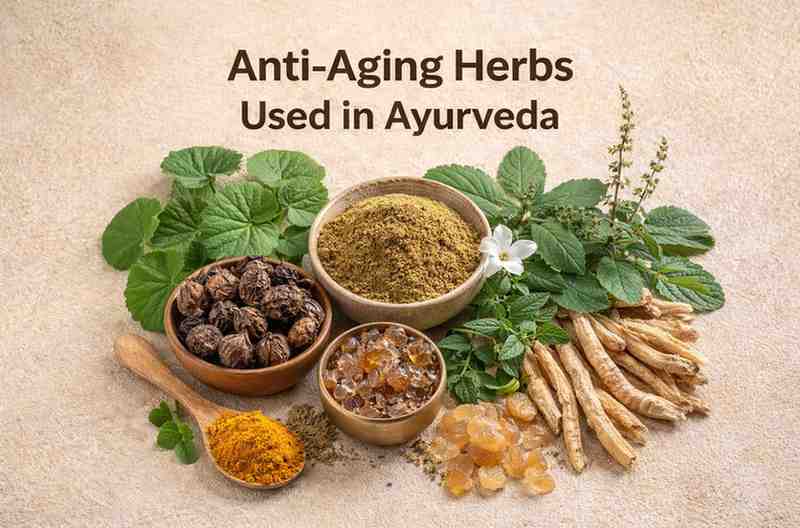
Commonly recommended herbs include Ashwagandha, Shatavari, Guduchi, Turmeric, and Triphala. These herbs support hormone balance and reduce inflammation.
3. How does Ayurveda treat hormonal imbalance in PCOS?
Ayurveda works by balancing the Doshas (especially Kapha and Vata), improving digestion (Agni), detoxifying the body, and supporting reproductive health.
4. How long does Ayurvedic treatment for PCOS take?
Natural treatments typically take 3–6 months to show noticeable improvement, depending on individual health conditions and lifestyle habits.
5. Is Panchakarma helpful for PCOS?
Yes, Panchakarma detox therapies can help remove toxins (Ama), improve metabolism, and restore hormonal balance.
6. Can Ayurveda regulate irregular periods in PCOS?
Yes, Ayurvedic herbs and dietary changes can help regulate menstrual cycles naturally over time.
7. What diet is recommended for PCOS in Ayurveda?
A Kapha-balancing diet that includes warm, light, and easily digestible foods is generally recommended.
8. Does Ayurveda help with PCOS weight gain?
Yes, Ayurvedic treatment improves metabolism and digestion, which can help manage weight naturally.
9. Is Ayurvedic treatment safe for long-term use?
When taken under professional guidance, Ayurvedic herbs are generally safe and suitable for long-term hormonal balance.
10. Can stress worsen PCOS symptoms?
Yes, chronic stress can disrupt hormonal balance. Ayurveda recommends stress-reducing practices like yoga, meditation, and herbal adaptogens.
References
- Charaka Samhita – Chikitsa Sthana (Gynecological disorders and Rasayana therapy), translated by P.V. Sharma, Chaukhambha Orientalia.
- Sushruta Samhita – Sharira Sthana (Women’s health and reproductive system).
- Ministry of AYUSH, Government of India – Official Ayurveda Guidelines
- National Center for Biotechnology Information (NCBI) – Research studies on Ashwagandha, Shatavari, and PCOS management
- World Health Organization (WHO) – Traditional & Complementary Medicine Strategy Reports
- Ayurvedic Pharmacopoeia of India – Ministry of AYUSH, Government of India.
- Lad, Vasant. Textbook of Ayurveda: Fundamental Principles. The Ayurvedic Press.
- Pole, Sebastian. Ayurvedic Medicine: The Principles of Traditional Practice. Singing Dragon Publishing.